Protecting Your Home from Costly Repairs From a Leaking Roof
A leaking roof may seem like a minor inconvenience, but the reality is that ignoring this issue can lead to significant and costly damage to your home. From water damage and mold growth to structural deterioration and decreased energy efficiency, the dangers of neglecting leaking roof damage cannot be understated. In this article, we will explore the various ways in which a leaky roof can wreak havoc on your property and discuss practical steps you can take to protect your home from costly repairs. By understanding the importance of addressing roof leaks promptly and effectively, you can safeguard your investment and ensure the long-term health and integrity of your living space.
Understanding the Causes of Leaking Roof Damage
- Age: One common cause of leaking roof damage is simply the age of your roof. As roofs get older, they are more prone to wear and tear that can lead to leaks.
- Poor Maintenance: Failure to properly maintain your roof by cleaning gutters, removing debris, and inspecting for damages regularly can also contribute to leaking issues.
- Weather Exposure: Harsh weather conditions such as heavy rain, strong winds, snow accumulation, and extreme temperatures can weaken roofing materials over time, making them more susceptible to leaks.
Common Signs of Roof Leaks to Watch Out For
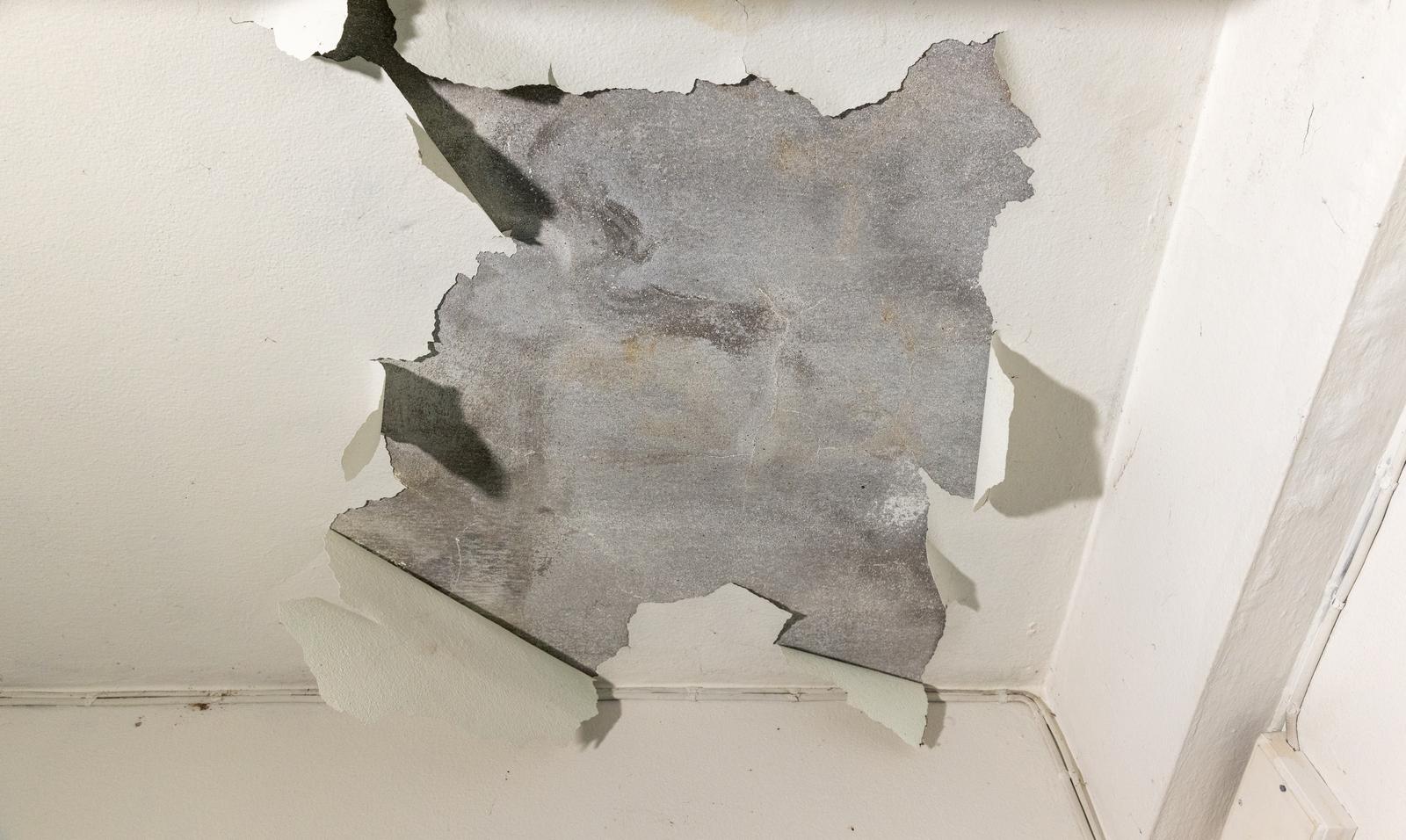
- Water Stains: Keep an eye out for water stains on your ceiling or walls. These marks could indicate a leak in your roof that is allowing water to seep into your home.
- Dripping Sounds: If you hear the sound of dripping water inside your home, especially during or after rain, it may be a sign of a roof leak.
- Mold and Mildew: The presence of mold or mildew, particularly in areas where moisture shouldn’t be present, could point to a hidden roof leak.
Pay attention to these signs as early detection can save you from expensive repairs in the long run. Ignoring leaks can lead to structural damage and health concerns within your home.
The Risks of Ignoring a Leaking Roof
Ignoring a leaking roof can lead to serious consequences.
- Structural damage: Water from a leaky roof can seep into the structure of your home, weakening its foundation and causing costly structural damage over time.
- Mold and mildew: Moisture from a leaking roof creates the perfect environment for mold and mildew to grow. These can not only cause health issues but also lead to extensive remediation costs.
- Decreased property value: A roof in disrepair can significantly decrease the value of your home. Potential buyers may be deterred by the presence of leaks, leading to difficulty selling your property or decreased offers.
Don’t underestimate the risks associated with ignoring a leaking roof; taking prompt action is crucial to protecting your home from these repairs.
Steps to Take for Emergency Roof Leak Repair
1. Identify the Source: Locate where the leak is coming from by checking your attic or ceiling for water stains or drips.
2. Temporary Patching: Use roofing cement, tarps, or patches to temporarily stop the leak and prevent further damage until a professional can assess and fix it.
3. Contact a Professional: It’s crucial to call a qualified roofer immediately to inspect and repair the roof leak before it leads to costly structural damage within your home.
DIY Tips for Temporary Roof Leak Repair
- Locate the source: Begin by identifying the exact location of the roof leak. Look for water stains on ceilings or walls, and trace them back to their point of origin on the roof.
- Apply a temporary fix: Use roofing cement or sealant to patch up small holes or cracks in the roof. Apply it generously around the area where you suspect water is entering your home.
- Use tarps as a quick solution: If you can’t find the exact source of leakage, cover the affected area with a tarp to prevent further water damage while you wait for professional help. Make sure to secure it tightly to avoid any wind damage.
Remember, these are only temporary solutions; it’s crucial to contact a professional roofer as soon as possible once you notice signs of roof leaks to prevent significant damage and costly repairs in the long run.
Importance of Preventing Roof Water Damage
Roof water damage can lead to costly repairs that could have been prevented with timely intervention. Ignoring leaks in your roof can cause extensive damage to the structure of your home, leading to mold growth and compromising the safety and integrity of your property. Addressing roof leaks promptly is crucial in protecting your home from potential hazards.
Preventing roof water damage not only safeguards your property but also saves you money in the long run. By taking proactive steps such as regular inspections and maintenance, you can identify issues early on and prevent them from escalating into major problems. Investing in preventive measures for your roof is an essential part of home maintenance that will ultimately protect the value of your investment.
Finding Professional Roofing Contractors for Repairs
- Ask for Recommendations: Reach out to friends, family, and neighbors who have recently had roofing repairs done. Their experiences can provide valuable insights into the quality of workmanship and customer service provided by local contractors.
- Check Online Reviews: Utilize platforms like Google, Yelp, or Angie’s List to read reviews from previous clients. Look for patterns in feedback regarding timeliness, communication, pricing, and overall satisfaction with the repair work.
- Request Multiple Quotes: Obtain quotes from at least three different roofing contractors to compare pricing and services offered. A detailed breakdown of costs will help you make an informed decision on which contractor best fits your needs and budget.
Long-Term Solutions for Fixing a Leaking Roof
- Identify the Source: The first step in addressing a leaking roof is to pinpoint the source of the problem. This may require the expertise of a professional roofer who can conduct a thorough inspection to determine where the leak is originating from.
- Repair or Replace Damaged Materials: Once the source of the leak has been identified, it’s crucial to repair or replace any damaged roofing materials. This could involve patching up holes, replacing missing shingles, or resealing flashing around chimneys and vents.
- Consider Long-Term Fixes: In addition to immediate repairs, homeowners should also consider long-term solutions to prevent future leaks. This might include installing additional waterproof membranes under shingles, improving attic ventilation to reduce moisture buildup, or even investing in a new roof if necessary. By taking proactive measures now, you can save yourself from costly repairs down the road.

No comment